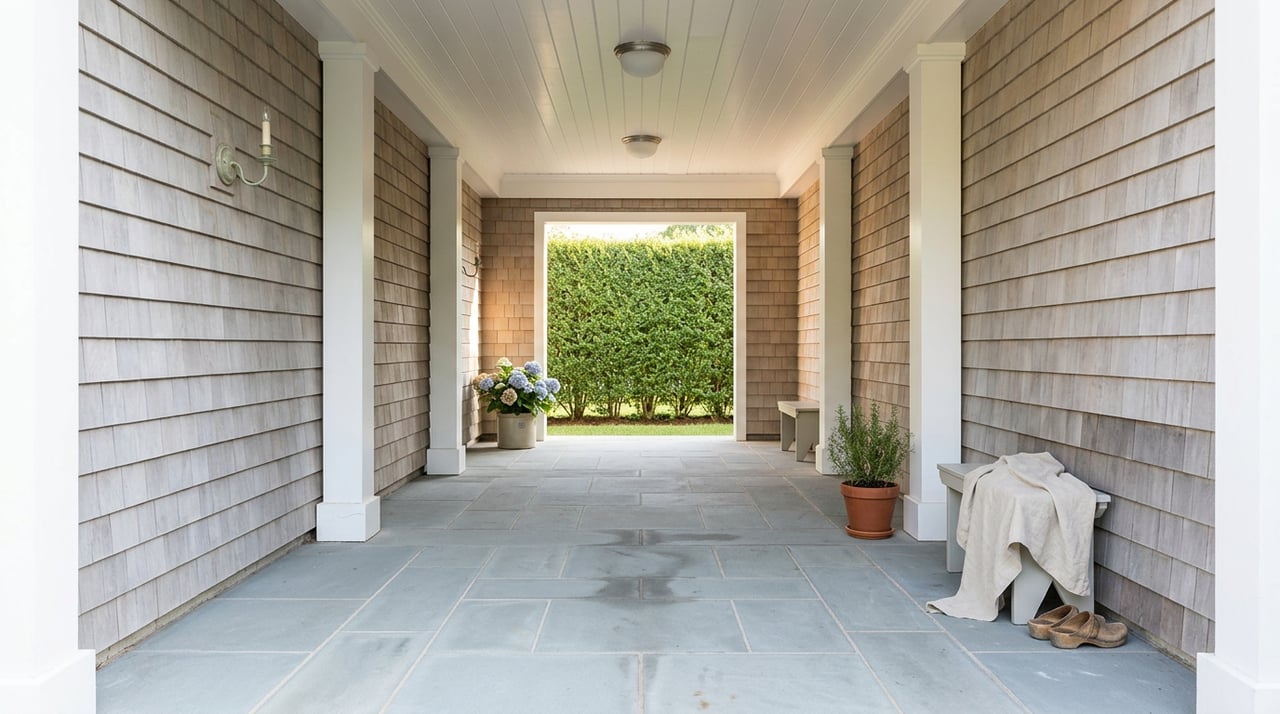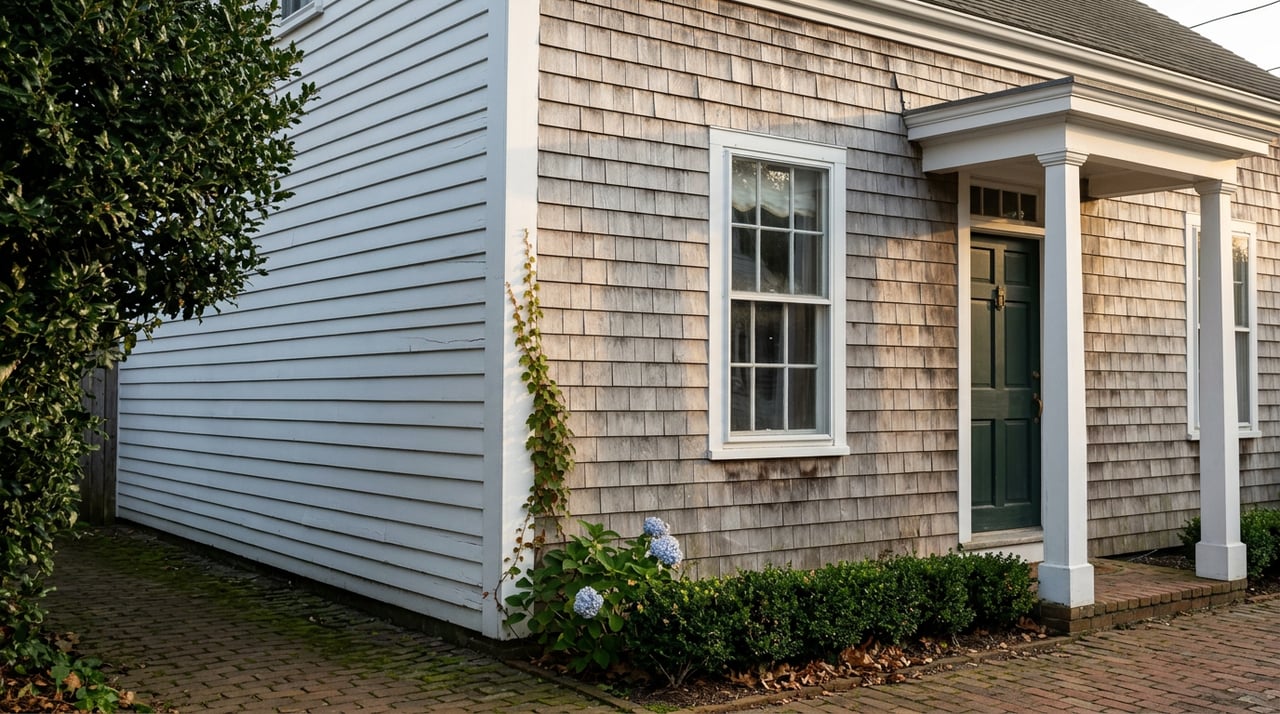
Earlier this year, the Sag Harbor Board of Historic Preservation and Architectural Review took up a modest application: a second story addition at 18 Hampton Street, one bedroom, one bathroom. Board chairman Peter Acocella recused himself from the vote because he lives next door, at 14 Hampton Street, a brown shingled home built in 1740. He did not vote. He did hire an attorney, who argued at length against his neighbor's plans. The board denied the application 3-2, with an alternate member sitting in for Acocella.
One board member reportedly summed up the mood right after the vote:
"I'm going to have a nervous breakdown."
The homeowners have since sued the board and its chairman in State Supreme Court, arguing the denial was arbitrary and capricious. Their architect, Robert Strada, had called the addition "the most aesthetically appealing way" to add a single room to a house already approved by the zoning board.
That sentence tells you more about buying or renovating in Sag Harbor's historic district right now than any median price does. The village's cooling market numbers get the headlines. The board's discretion is what actually decides whether your project gets built, and whether the house you are underwriting is worth what you think.
What just changed
That same winter, the Village Board had adopted Local Law 13 of 2025, which requires owners of contributing historic structures to file a Construction Protocol and Preservation Plan before starting major renovation work. The plan has to spell out how the project complies with the Secretary of the Interior's Standards for the Treatment of Historic Properties, and how historic materials will be identified, retained, and preserved rather than simply replaced.
The village passed this after a pattern officials had grown tired of seeing: dumpsters full of original windows, doors, and trim sitting outside historic houses mid renovation, long before anyone at the village had a chance to weigh in on what was being thrown away. The new law does not ban replacement work. It requires you to document your intentions before the demolition crew shows up, which means your architect or contractor now needs to build that documentation into the front end of a project, not the punch list.
If you are shopping for a historic district property with renovation in mind, this is no longer a formality you can skip past. It is a filing that has to happen before the certificate of appropriateness process even starts.
The process, in plain terms
Sag Harbor's historic district was first designated in 1973 and later expanded. Any exterior alteration, addition, demolition, or material change visible from a street or neighboring property inside the district requires a certificate of appropriateness from the board before a building permit can be issued. Interior renovations generally do not require board review at all, which surprises a lot of buyers who assume the whole house is off limits once "historic district" appears on the listing sheet.
Here is what the village code actually sets as the clock and the trigger points:
| Requirement | Threshold |
|---|---|
| Public hearing required | Demolition or removal of a landmark or contributing building, or any building 3,000 square feet or larger |
| Decision deadline, no hearing | 60 days from a completed application |
| Decision deadline, with hearing | 60 days from the close of the public hearing |
| Approval validity | Two years from the date of approval |
| Quorum needed | Full board only for demolition or removal of a landmark or contributing building 3,000 square feet or larger |
Two years sounds generous until you are mid project. If your certificate of appropriateness expires before construction wraps, largely because a permit got delayed by financing, subcontractor scheduling, or a second round of board comments on materials, you are back in front of the same five people asking for an extension or a fresh vote.
What the lawsuit actually tests
The 18 Hampton Street case is not really about one addition. It is testing how much weight a board member's private interest can carry even after he steps away from the vote. Acocella's attorney told the board that the addition would detract from the historic district and pointed to written statements from real estate agents suggesting it would lower the neighboring property's value. The applicant's team countered that similar additions already exist nearby, that the change would barely be visible from the street, and that the zoning board had already signed off.
Whichever way the court rules, the case is a preview of the kind of friction a buyer needs to price in before making an offer on a historic district house with renovation plans attached. A recusal does not mean a project gets an unbiased hearing. A modest addition, backed by precedent and a favorable zoning determination, can still lose 3-2. And a denial you believe is wrong does not get fixed quickly. It gets fixed, if at all, in court, on a timeline measured in months, not board meetings.
What a realistic renovation budget now has to include
Buyers who treat a historic district renovation like any other Hamptons gut job tend to get the number wrong. A more accurate budget line up looks like this:
- Architect or engineer fees, including a structural report if any demolition is proposed on grounds that the building is unsound
- A historic consultant to help document existing materials and prepare the Construction Protocol and Preservation Plan required under the new local law
- Lead safe practices and asbestos testing or abatement where applicable
- Finish and material samples the board may request before granting approval
- Possible bonds or sureties tied to the scope of work
- A time buffer for a second or third board meeting if the first round of comments asks for revised massing, materials, or landscaping
None of this is unique to Sag Harbor. What is unique is how much of it now has to be resolved before you can file for a certificate of appropriateness, not worked out informally with an inspector once the walls are open.
What compliance actually buys you
The board is not just a cost center. It is also, in a roundabout way, the mechanism protecting the premium buyers pay for historic district product. A single family house in the district recently changed hands for close to 4.8 million dollars after a two year renovation that ran roughly 3 million dollars, according to Behind The Hedges, which also reported a Gambrel restored 1790s home in the district selling for 21 million dollars. Both projects worked within the historic fabric the board is charged with protecting rather than around it. That is not a coincidence. Buyers paying seven figures for a historic district address are paying, in part, for the assurance that the streetscape around the house cannot be casually altered by the next owner either.
That assurance matters more right now because the village's transaction volume is thin. Over the three months ending in May 2026, the median sale price in Sag Harbor stood at roughly 2 million dollars, down sharply from the same period a year earlier, with homes taking an average of 273 days to sell compared with 138 days the prior year. In a market moving that few homes in that short a window, one board decision on one property carries more weight on the neighborhood's price signal than it would in a higher volume market. A denial, an approval, or a lawsuit outcome on a single historic house is not background noise here. It is a meaningful part of the data.
Frequently asked questions
Does the board review interior renovations? Generally no. Interior only work typically does not require a certificate of appropriateness or board review, unless it triggers exterior changes such as a new point of egress.
What makes a public hearing mandatory rather than optional? Only two triggers require it: demolition or removal of a landmark or contributing building, or any project involving a building of 3,000 square feet or more.
How long does a certificate of appropriateness last once granted? Two years from the date of approval. Projects that stall past that window need to go back before the board.
Is a home's historic significance the same as being regulated by the village? No. A house can carry historic significance without being subject to village review. What controls exterior changes and demolition is whether the property sits within the designated historic district or carries landmark status under the local code, not simply how old it is.
If you are weighing a historic district property in Sag Harbor, whether as a purchase, a renovation, or a sale, the board's process is not a footnote to the deal. It is the deal. The Jennifer Wilson Team works through these approvals and timelines with clients regularly and can walk you through what a specific address is likely to face before you write an offer. Get Property Listings Delivered to see what is currently available in the district and beyond.